

How will the mansion tax work? And will it effect the property market?
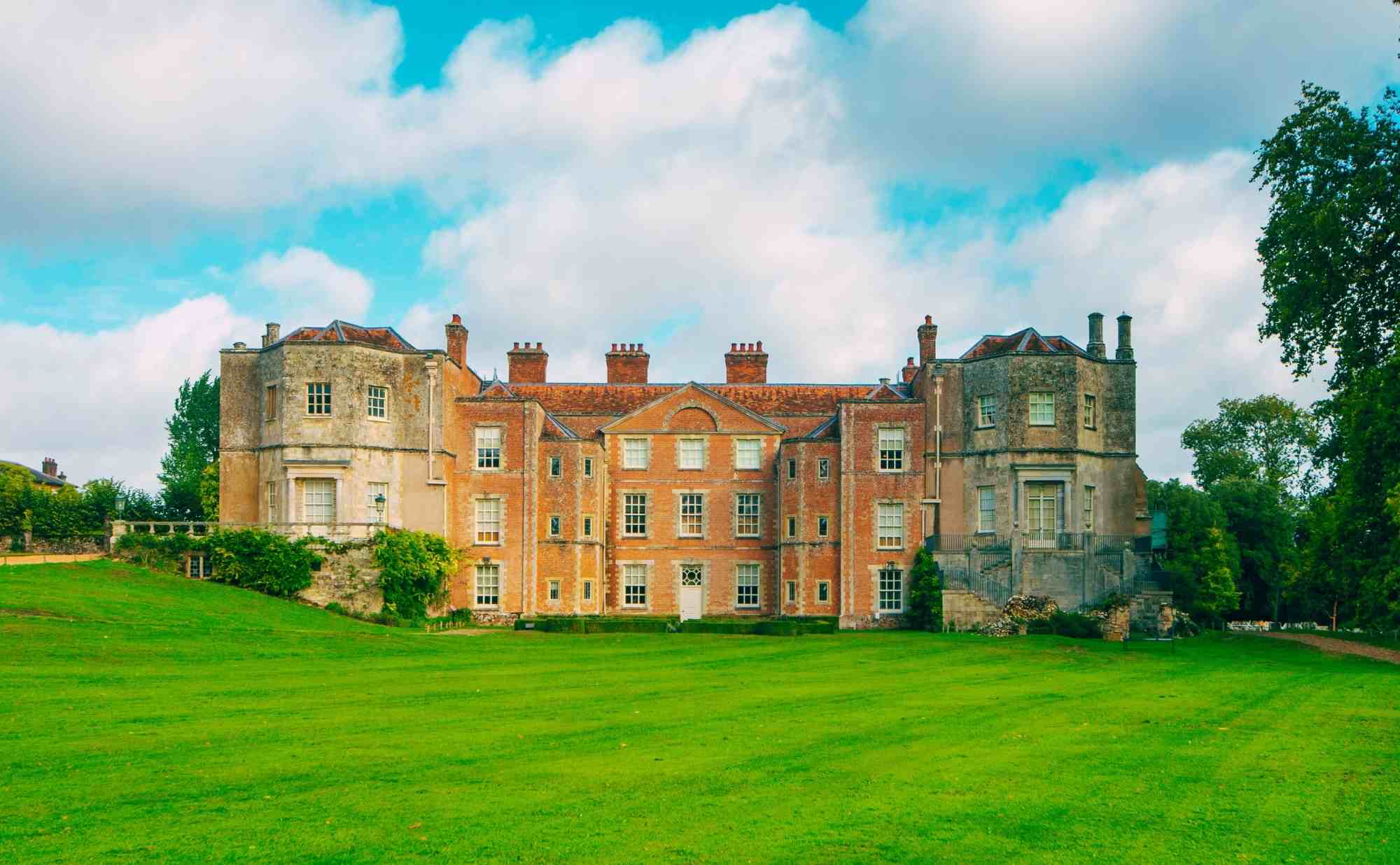
The mansion tax’ real name is the High Value Council Tax Surcharge (HVCTS). It was announced in November 2025, and will take effect in April 2028.
The current council tax system has 8 valuation bands for residential properties, based on 1991 values. Local authorities set annual council tax levels and administer the tax.
The HVCTS is a new, annual charge on owners of residential property, currently worth £2 million or more. A public consultation on details relating to the surcharge will be held in early 2026 and the new surcharges will take effect in 2028. Homeowners, rather than occupiers, will be liable to the surcharge. Revaluations will be conducted every five years. Charges will increase in line with inflation, each year from 2029-30 onwards.
| Threshold | Rate (£) |
| £2-2.5 million | £2,500 |
| £2.5-3.5 million | £3,500 |
| £3.5-5 million | £5,000 |
| £5 million + | £7,500 |
How many houses are affected?
Numbers are difficult to confirm. Savills recently published data that said 702,580 homes in the UK were valued at above £1 million, whilst 145,000 hit the £2 million plus mark. Knight Frank estimates that the number will rise to 190,000 by 2028. 85% of these are in London, the South East and the East of England.
How many are affected in our region?
There is no publicly available data on this. But recent sales data could give us an indication. One residential property has been sold with a BD postcode, in the period between early 2020 and late November 2025, with a value over £2 million, according to the Land Registry. (Date source: Reach Data Unit for the Manchester Evening News). Obviously, there will be other houses that have not been sold during that time period which will raise the number of properties. But we can assume that there are few residential properties in the BD postcode area (that stretches from Horton-in-Ribblesdale to Cleckheaton) that hit this value.
So, will the mansion tax affect our area?
Falling interest rates and more certainty after the November budget means that most estate agents feel the property market will become more buoyant in 2026 and house prices will rise. The changes to Stamp Duty which came into effect in April 2025, will have become more embedded. There may be some downsizing as people try and sell before the new rules in 2028 are applied, but a potential deferral scheme (the government will take the tax out of the estate, after the property-owners’ death) may also alleviate this concern.
Taking all these factors into consideration, the market in our region for £2 million plus houses is small, so it is unlikely that the new mansion tax will have much, if any impact on the housing market in our area.
For expert advice and more information on all aspects of residential property, please contact Declan Hayes on 01756 692888 or email declan.hayes@awbclaw.co.uk

Declan Hayes, Solicitor and Director, Lexcel accredited, CQS accredited.
Further reading:
How does SDLT work when you buy a second home?
“Buyer beware” and “safe as houses”… two contradictory phrases.
When you’re in a pickle with your house sale, think indemnity insurance
Gov UK: High Value Council Tax Surcharge
Manchester Evening News: Mansion tax – where the £2m houses are located