
The Explainer: the Mansion Tax or High Value Council Tax Surcharge
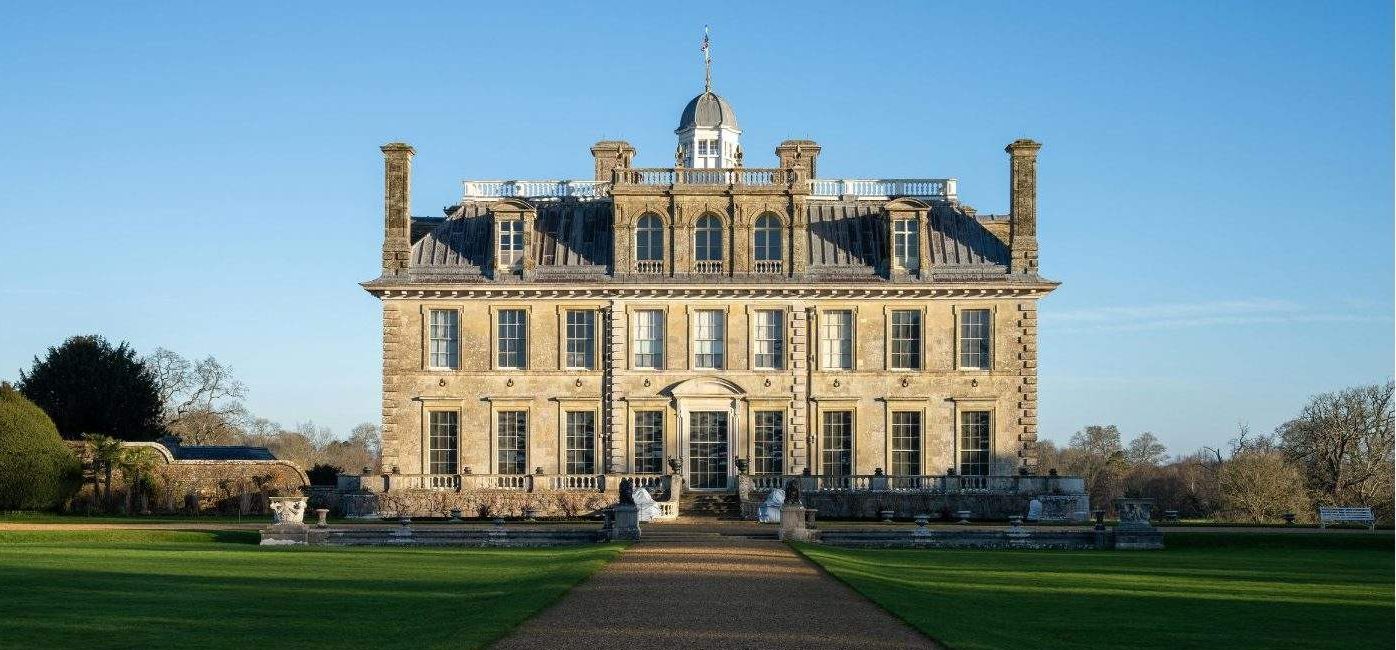
The “mansion tax” is the commonly-known name for the new High Value Council Tax Surcharge (HVCTS). It is, as the name suggests, an annual surcharge that will be added, on top of existing council tax to properties worth £2 million or more. It is recurring, therefore it will be paid every year.
How it works
There are four bands. The first band has a threshold of £2 million, the second, £2.5 million, the third, £3.5 million and the fourth, £5 million. Each band, charges mansion tax at £2,500, £3,500, £5,000 and £7,500 respectively. These are charged on top of the highest existing council tax band H.
For the 2026-7 tax year, the council tax rates for band H for our area are as follows:
- North Yorkshire £4,977.60
- Bradford £4,666.10
| Threshold | Mansion Tax Rate | Council Tax, Band H (average) | Total |
| £2-2.5 million | £2,500 | £4,822 | £7,322 |
| £2.5-3.5 million | £3,500 | £4,822 | £8,322 |
| £3.5-5 million | £5,000 | £4,822 | £9,822 |
| £5 million + | £7,500 | £4,822 | £12,322 |
Homeowners, rather than occupiers, will be liable to the surcharge. The government will create a support scheme for those who may struggle to pay, and will consider implementing a full set of reliefs and exemptions, as well as proposed rules for more complex ownership structures including companies, funds, trusts and partnerships. Social housing will not be included.
The government’s valuation office will identify properties above £2 million. Fewer than 1% of properties in England are expected to be above the £2 million threshold. In a previous blog, we looked at regional data, and expected there to be very few properties over £2 million in our area (designated by a BD postcode).
When does it come into force?
The “mansion tax” comes into force in April 2028. after a public consultation that starts early this year. Revaluations will be conducted every five years. Charges will increase in line with inflation, each year from 2029-30 onwards.
How much money will it raise and where will the money go?
The mansion tax is estimated to raise around £430 million of revenue per year from 2028-9. It will pay for local government services. This will be on top of the £40.3bn raised in Council Tax for this purpose (2024-5 figures.)
Why has this been introduced?
The current Council Tax system was introduced in 1993, using 1991 property values. It taxes domestic property through eight bands. Across England, there are huge disparities. The owner of a £10 million property in Mayfair, London currently pays £2,030, whilst a band D property, estimated value: £289,00 in North Yorkshire pays £6 more: £2,036. This mansion tax aims to improve fairness within England’s property tax system.
For expert advice and more information on all aspects of residential property, please contact Declan Hayes on 01756 692888 or email declan.hayes@awbclaw.co.uk

Declan Hayes, Solicitor and Director, Lexcel accredited, CQS accredited.
Further reading:
How will the mansion tax work? And will it effect the property market?
“Buyer beware” and “safe as houses”… two contradictory phrases.
Gov UK: High Value Council Tax Surcharge
14 February 2026